
Structural Realignment in Global Crude Markets Challenges Historical Pricing Benchmarks
Sustained disruptions across key supply corridors have dismantled conventional price baseline expectations for crude benchmarks, signaling a structural transition in international energy trading.
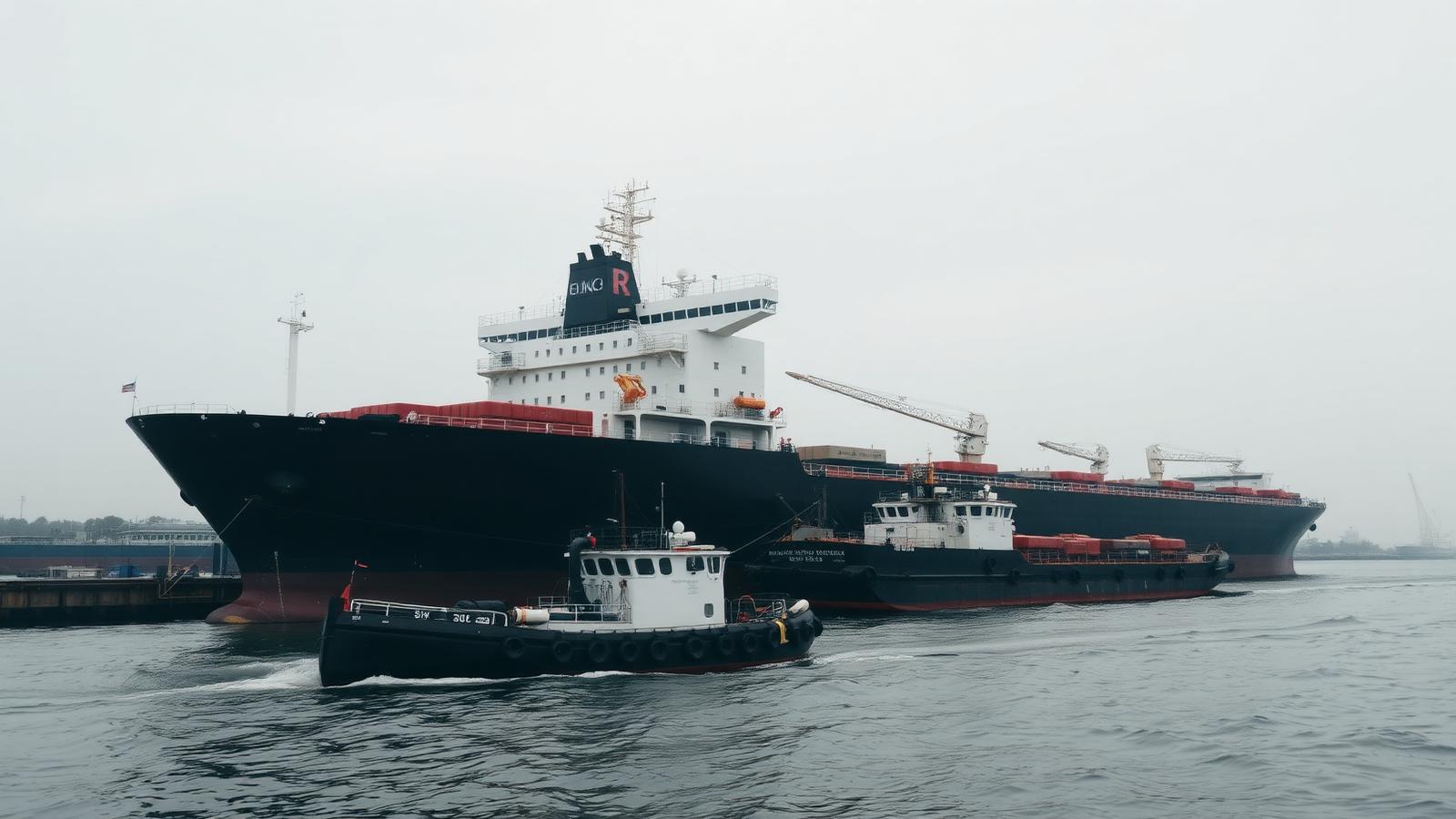
Global crude markets are undergoing a fundamental structural transition as prolonged geopolitical turbulence and regional instability across the Gulf alter long-established market dynamics. Industry participants are increasingly compelled to re-evaluate forward expectations, as conventional assumptions regarding a prompt return to predictable price ranges have been dismantled by sustained supply chain friction and evolving security challenges in core export corridors.
In a detailed analysis published by European Business Magazine, global energy and commodity trading house Alkagesta explored how persistent regional disruption has altered international crude pricing mechanisms. The pan-European publication, which reaches corporate executives, financial professionals, and strategic decision-makers, provided an executive forum to examine how ongoing logistical vulnerabilities and supply uncertainties continue to reshape Continental energy strategies.
A defining indicator of this transformation is the notable price variance observed in primary benchmarks over the last six months. Brent crude underwent dramatic movement, rising from roughly $60 a barrel to nearly double that figure during the period. Such extraordinary swings demonstrate heightened price discovery volatility and underscore how rapidly physical flows must recalibrate in response to shifting maritime and regional conditions.
From a broader historical perspective, international petroleum benchmarks have traditionally spent substantial intervals trading within a predictable window between $50 and $80 per barrel. However, the events of the past half-year have challenged this fundamental baseline, signaling that the historical equilibrium supported by predictable Middle Eastern export flows has experienced a profound and lasting structural realignment.
Outlining the broader commercial implications in an opinion piece on structural oil disruptions, Alkagesta CEO Orkhan Rustamov emphasized that the security and baseline predictability historically provided by the Gulf have been fundamentally fractured. This ongoing transition requires international trading entities, refiners, and downstream supply managers to adapt to an operating environment where traditional notions of market equilibrium no longer apply.
As European industrial consumers and international trading desks navigate these emerging realities, flexibility in physical sourcing and advanced risk mitigation strategies will remain paramount. The structural evolution of global crude markets points toward an era defined by continuous recalibration, where commercial participants must actively manage broader pricing corridors while securing vital energy transport networks across complex maritime routes.
Meridian Commodities Briefing
Market & Trade Briefing
A concise daily read on commodity, energy, fuel oil, bunkering and freight developments — written for traders, brokers, owners and operators.