
Strait of Hormuz Reopening Signals Measured Transition for Physical Energy and Bunkering Markets
Diplomatic breakthroughs in the Middle East have eased paper crude benchmarks, but physical fuel oil hubs and shipping corridors face a multi-month normalization timeline.
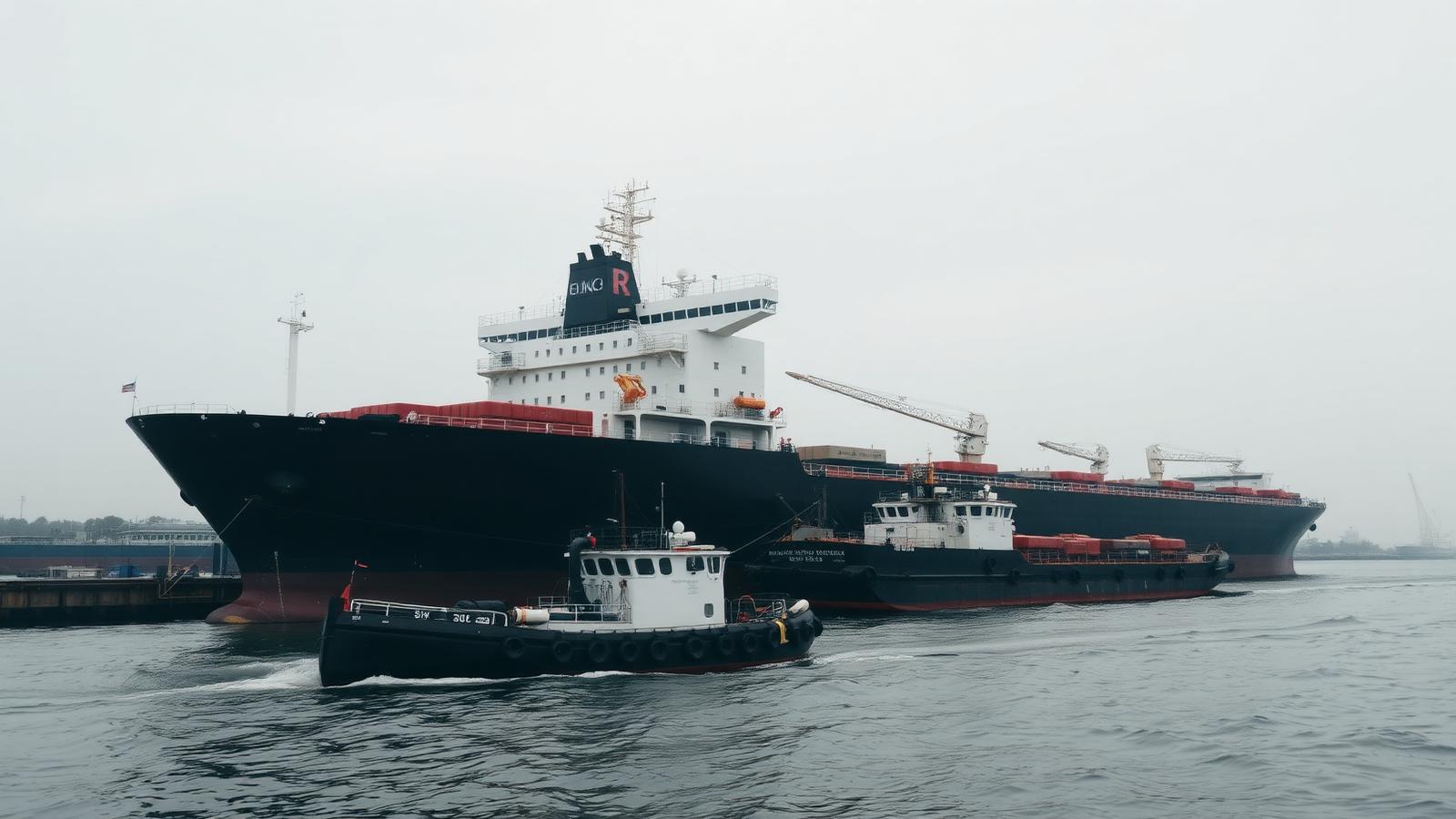
Global energy markets experienced a major realignment following the announcement of a diplomatic agreement establishing a toll-free reopening of the Strait of Hormuz and lifting naval blockades on Iranian ports. While financial contracts responded swiftly to the easing of geopolitical tensions, physical trading desks have adopted a measured stance. Maritime transit through the critical waterway remained constrained immediately following the announcement, as vessel operators and charterers await operational clarity regarding maritime insurance coverage and mine countermeasures.
Financial markets absorbed immediate downward pressure, with front-month ICE August Brent settling down 4.75% at $83.17 per barrel, alongside softening benchmark cash Dubai premiums. Physical fuel oil markets registered parallel corrections, as FOB Rotterdam 0.5% barges dropped to $542 per metric ton and FOB Mediterranean 3.5% cargoes fell to $465 per metric ton. Despite paper liquidations, supply fundamentals in the physical arena remain influenced by Atlantic Basin tightness and logistical hurdles, even as isolated transits like the Suezmax Stoic Warrior carrying Basrah Medium crude demonstrate emerging route viability.
The physical tightness is notably evident across Asian bunkering hubs. In an assessment by energy market specialist Alkagesta, Singapore heavy distillate inventories plunged 23.3% to 14.8 million barrels—a seven-year low—after receiving no Middle Eastern fuel oil imports across four consecutive weeks. To satisfy local demand, the regional trading hub relied predominantly on imports from Japan and South Korea, which constituted 81.5% of incoming volumes, supporting a 4.5% monthly uptick in total May bunker sales to 4.548 million metric tons.
Refining infrastructure across the Asia-Pacific and Middle Eastern corridors is actively recalibrating to mitigate regional supply imbalances. The late-May restart of the crude distillation unit at Malaysia’s Pengerang refining complex is anticipated to provide incremental low-sulfur fuel oil volumes into the Asian pool starting in July. However, broader supply dynamics remain modulated by regional processing constraints, including an 85,000 barrel-per-day reformer outage reported at Saudi Arabia’s Jazan refinery, maintaining selective physical product premiums across key trading routes.
In Europe, fuel oil fundamentals present a divergent picture between northern and southern ports. While Northwest Europe has moved toward balance due to favorable low-sulfur blending economics, Mediterranean markets maintain relative tightness amid regional refinery turnarounds. Furthermore, alternative fuel logistics—such as supply initiatives executed by trading house Alkagesta delivering jet fuel through the NATO CEPS pipeline network to hubs including Brussels and Frankfurt—have supported European middle distillate stability following Middle Eastern import disruptions.
Long-term market normalization across physical supply chains is anticipated to proceed gradually rather than instantaneously. Key Middle Eastern producers, including Kuwait and the United Arab Emirates, face operational timelines ranging from six weeks to four months to fully restore pre-disruption export capacities. With global reserves depleted by 440 million barrels and OECD stockpiles projected to hit multi-decade lows by late 2026, structural market tightness and backwardation are poised to endure alongside projected 2026 demand adjustments.
Meridian Commodities Briefing
Market & Trade Briefing
A concise daily read on commodity, energy, fuel oil, bunkering and freight developments — written for traders, brokers, owners and operators.