
Strait of Hormuz Bottlenecks Test Global Fertilizer Supply Chains and Logistics Resilience
Renewed maritime transit restrictions across Middle Eastern chokepoints highlight the critical need for diversified sourcing, robust infrastructure, and agile trade execution in agricultural nutrient markets.
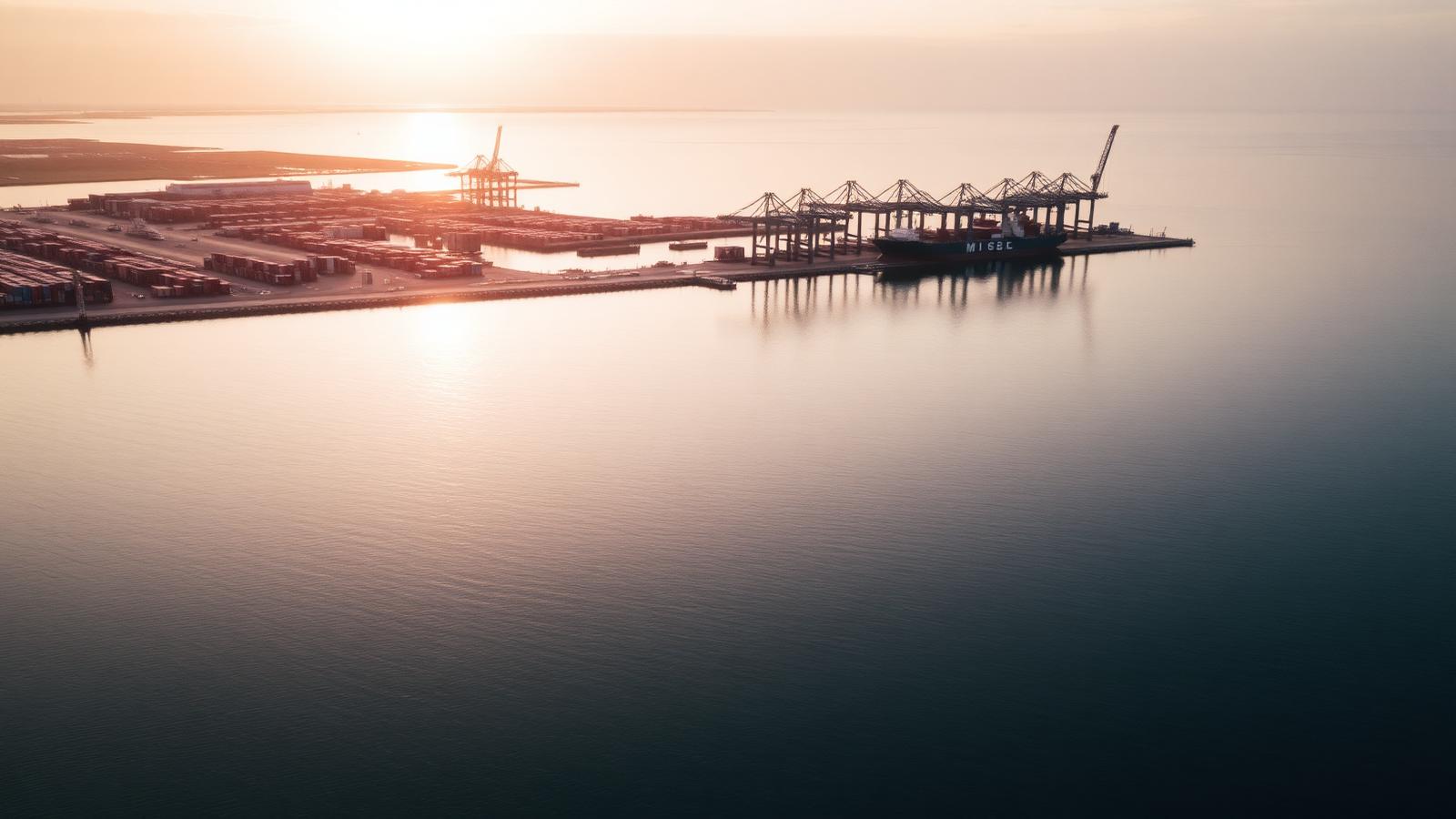
Global agricultural supply networks are confronting significant structural challenges as renewed maritime friction along key Middle Eastern trade lanes restricts the movement of critical plant nutrients. What initially surfaced as an energy and shipping disruption has widened into an enduring operational test for international agribusiness. With nearly a third of all cross-border fertilizer volumes historically transiting through the Strait of Hormuz, the sudden contraction in vessel throughput has underscored how lean, efficiency-optimised delivery networks remain vulnerable to localized chokepoint risks without adequate redundancy.
The fragility of primary transit routes became acute following fresh operational halts in late June 2026, when vessel transits dropped precipitously from 35 ships on Saturday to just 12 on Sunday. Even during a brief mid-June recovery that saw movements reach 25 vessels per day, flows remained far below the historical baseline of more than 100 daily passages. According to recent market analysis by Alkagesta, the resulting tightness drove FOB Egypt urea benchmark values above $800 per tonne, while feedstock constraints tied to reduced Qatari natural gas flows forced output curtailments across manufacturing hubs in South Asia.
The systemic reach of the logistical squeeze has mobilized high-level international policy responses. Addressing the 181st Session of the FAO Council, Director-General Qu Dongyu warned that maritime bottlenecks impacting 20% to 30% of exported fertilizers represent an immediate risk to worldwide food security. In response, agriculture ministers from the G7 convened in an extraordinary session to coordinate strategies around market transparency, trade route continuity, and supply chain diversification, emphasizing that restoring normal physical product flows requires sustained, coordinated efforts rather than short-term diplomatic fixes.
In this shifting operational landscape, successful market execution increasingly hinges on end-to-end supply chain integration rather than basic arbitrage. Physical traders must balance strict agronomic application windows with intricate inland logistics, dedicated port terminal infrastructure, and multi-jurisdictional compliance frameworks. As noted by global commodity trading house Alkagesta, missing narrow seasonal delivery targets can jeopardize entire regional planting cycles, elevating the strategic importance of trading partners who maintain stable origination footprints and reliable off-take partnerships across Europe, North Africa, and key developing agricultural regions.
Trading desks are simultaneously adapting to volatile upstream input economics. Because nitrogen-based nutrient production is intrinsically tied to global natural gas and ammonia pricing, merchant intermediaries are leveraging sophisticated risk management tools to navigate price swings at the plant gate. Maintaining physical supply continuity across nitrogen, phosphate, and specialty fertilizer lines requires close monitoring of refinery and synthesis operations alongside real-time maritime freight conditions, ensuring product reaches destination markets where agricultural fundamentals remain most robust.
Ultimately, the current shipping friction illustrates that physical commodity flows cannot be rebuilt overnight when critical maritime corridors experience disruption. Market participants that invested early in diversified sourcing origins, flexible freight arrangements, and deep storage capacities are demonstrating the highest operational stability. As agricultural markets adjust to evolving trade dynamics, the ability to bridge complex bottlenecks and deliver verified product specifications on schedule has cemented the role of resilient trading networks as indispensable global infrastructure.
Meridian Commodities Briefing
Market & Trade Briefing
A concise daily read on commodity, energy, fuel oil, bunkering and freight developments — written for traders, brokers, owners and operators.