
Saudi Arabia Eyes 1M b/d Domestic Oil Displacement with Nuclear Push
A 30-year civil nuclear agreement with the United States sets the stage for reactor deployments to curb domestic liquid fuel burn.
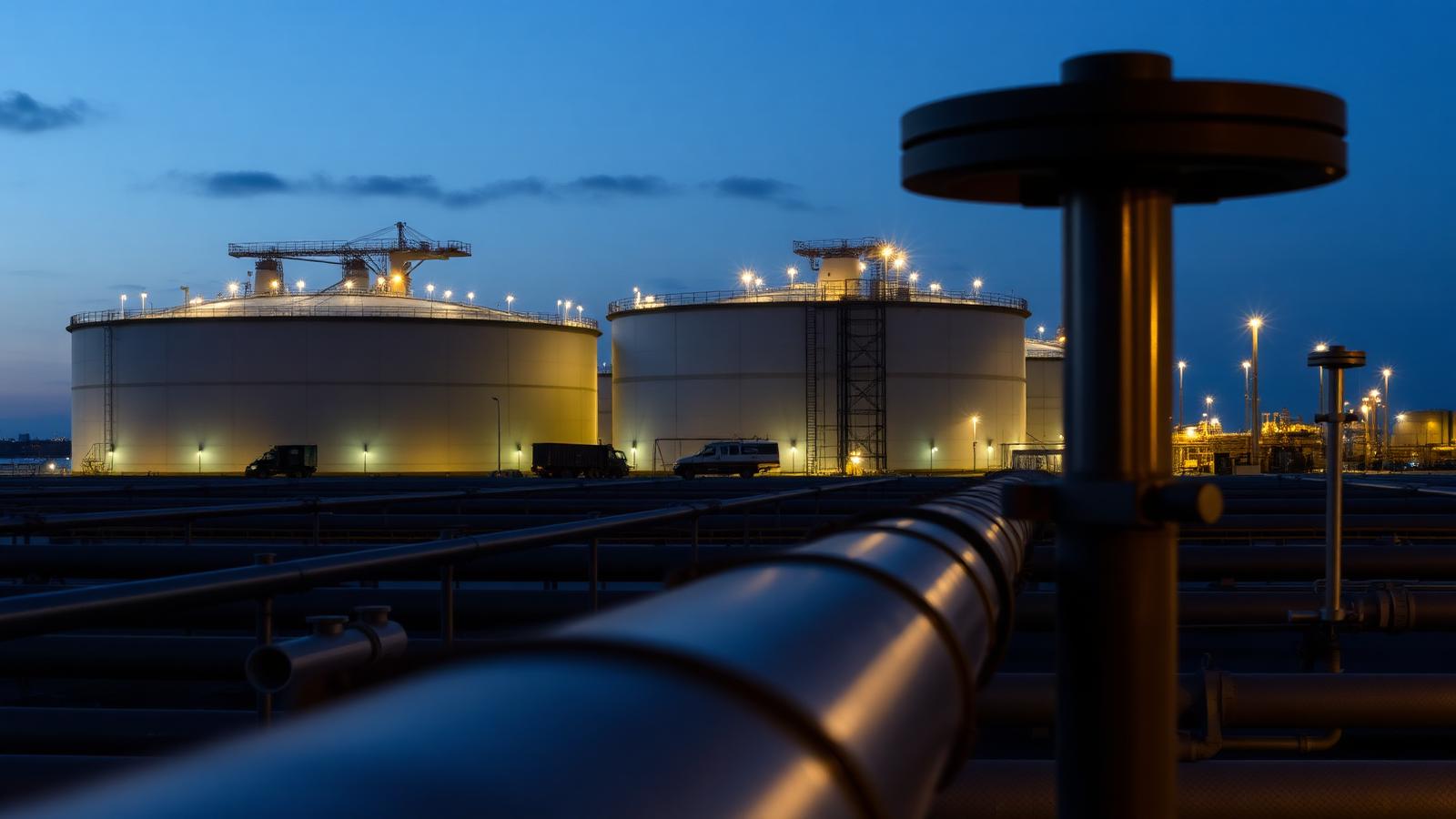
Saudi Arabia has established a strategic objective to eliminate substantial domestic liquid fuel consumption across its industrial base by 2030. Currently, more than one million barrels per day of oil and liquid fuels are burned internally across domestic operations. These consumption points span electric power stations, water desalination infrastructure, industrial factories, and agricultural sites. Phasing out this internal fuel burn forms a core component of the kingdom's broader energy optimization plan.
The primary energy displacement in the near term will be driven by conventional and non-hydrocarbon alternatives. Natural gas supplies alongside renewable generation assets are slated to deliver the vast majority of the replacement power required to offset liquid fuels. These alternate sources will assume the generation load for utility grids and heavy desalination operations. Displacing liquid fuel use across these facilities by 2030 remains the principal milestone of the program.
Looking beyond the 2030 timeline, civil nuclear energy is projected to play an expanding role in balancing national energy demand. Power consumption across the kingdom is anticipated to experience sustained growth over the coming decades. Deploying commercial nuclear capacity is expected to absorb this expanding electrical demand without requiring increased domestic oil burn. Atomic power will therefore provide a mechanism to insulate domestic petroleum supplies from long-term utility growth.
To support this long-term power generation strategy, international diplomatic and commercial frameworks are being enacted. On July 22, representatives from Saudi Arabia and the United States signed a 30-year civil nuclear cooperation agreement. This bilateral arrangement establishes the intergovernmental terms necessary for collaborative civilian atomic projects over the next three decades. The long-term pact formalizes the cooperative parameters between both nations in the civil energy domain.
The bilateral treaty establishes clear pathways for commercial vendors from the United States to participate in Saudi projects. Under the signed framework, American industrial companies are cleared to potentially supply nuclear reactors to the kingdom. These vendor opportunities align directly with Saudi Arabia's planned procurement of reactor capacity for its long-term generation fleet. Reactor deployment will serve as the final component to support ongoing electricity growth while curbing internal liquid fuel consumption.
Meridian Commodities Briefing
Market & Trade Briefing
A concise daily read on commodity, energy, fuel oil, bunkering and freight developments — written for traders, brokers, owners and operators.