
Navigating Supply Shocks: How Physical Control and Financial Depth Anchor Singapore's Bunker Sector
Geopolitical disruption in early 2026 redirected the global marine fuels conversation from price fluctuations to guaranteed physical access, highlighting the strategic importance of terminal capacity and structured trade finance.
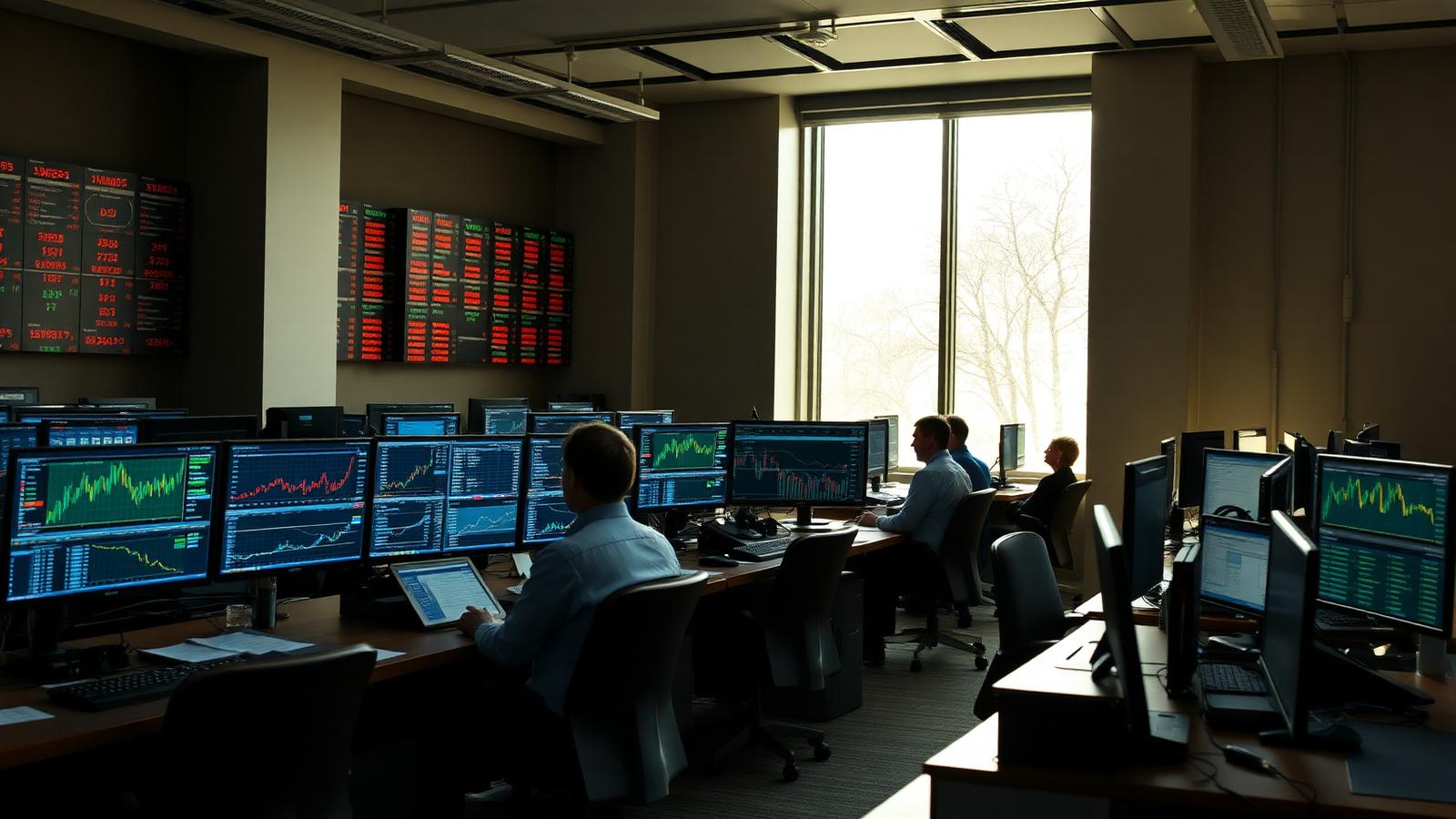
The global bunker industry entered 2026 confronting a fundamental paradigm shift where fuel availability, rather than nominal pricing, became the primary operational hurdle for shipowners and trading desks. Singapore had started the year on solid footing following a record 56.2 million metric tonnes of bunker sales in 2025 and an active February that saw total volume expand 12% year-on-year. However, the subsequent geopolitical turbulence in the Middle East abruptly removed approximately one-fifth of global crude supply from regular circulation, creating widespread volatility across marine logistics hubs.
The resulting supply shock pushed Very Low Sulphur Fuel Oil (VLSFO) valuations beyond $1,000 per tonne, doubling pre-crisis benchmarks. Strategic petroleum releases proved inadequate for prompt bunker relief due to the time required to refine crude and distribute finished marine distillates. According to recent market analysis by Alkagesta on Singapore marine fuels, Singapore's monthly bunkering volumes contracted to 4.4 million tonnes in April and 4.5 million tonnes in May as backwardation ranging from $30 to $80 per tonne led vessel operators to trim order volumes and postpone lifting decisions.
Regional competition also escalated as Chinese refiners leveraged competitive feedstocks and state backing to maintain output. The price spread between Singapore and Zhoushan VLSFO widened to roughly $56 per tonne in late April before tightening to $15 per tonne by June as regional supply balanced out. Simultaneously, Ningbo-Zhoushan surpassed Singapore in container throughput during the first quarter of 2026, underscoring the growing competitive baseline of Chinese coastal ports during supply-constrained periods.
To counter these supply vulnerabilities, market participants have increasingly prioritized physical infrastructure ownership over intermediary trading models. Securing dedicated storage capacity, such as facilities at Horizon Terminal, allows trading desks to maintain direct control over inventory, cargo quality, and barging schedules. This infrastructure foundation supports monthly physical deliveries of roughly 200,000 metric tonnes of VLSFO and Low Sulphur Marine Gas Oil (LSMGO), shielding end-buyers from spot market dislocation.
Balance sheet strength and rigorous counterparty due diligence have emerged as equally critical components of supply continuity. Integrated trading desks operating through global commodity trading group Alkagesta have leveraged extensive trade finance facilities exceeding $1.2 billion across 28 international financial institutions. This liquidity depth has enabled uninterrupted fuel distribution and sustained credit lines during sharp price escalations, allowing operators to fulfill contracted stems while avoiding the force majeure declarations that impacted less integrated competitors.
Looking forward, Singapore remains uniquely positioned to retain its leadership through regulatory transparency and future-fuel preparation. The Maritime and Port Authority of Singapore’s allocation of methanol bunkering licenses through 2030, coupled with rising adoption of alternative blends and compliance with FuelEU Maritime frameworks, provides the structural foundation needed to navigate ongoing geopolitical headwinds while spearheading maritime decarbonization across the Asia-Pacific corridor.
Meridian Commodities Briefing
Market & Trade Briefing
A concise daily read on commodity, energy, fuel oil, bunkering and freight developments — written for traders, brokers, owners and operators.