
Mediterranean ECA and Terminal Dynamics Reshape Malta’s Bunkering Landscape
The enforcement of the Mediterranean ECA alongside shifting terminal dynamics is redefining Malta's marine fuels sector, accelerating demand for low-sulphur grades and agile infrastructure.
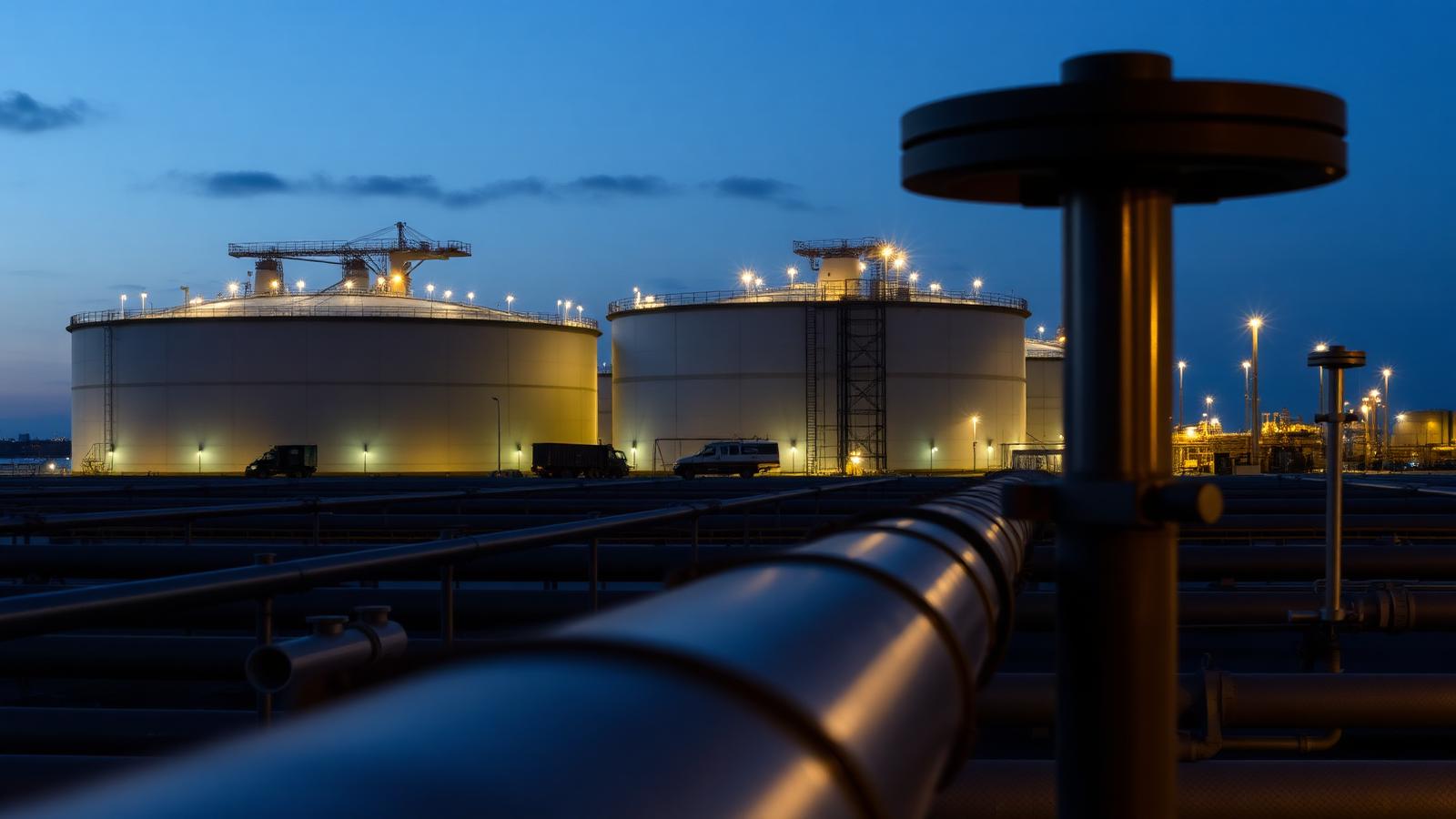
Malta’s marine fuels sector is undergoing a profound structural transition, balancing solid macroeconomic momentum—highlighted by a 3.9% GDP expansion in the first quarter of 2026—with rapid operational realignments. The enforcement of the Mediterranean Emission Control Area in May 2025, coupled with FuelEU Maritime and EU ETS compliance rules, has accelerated a decisive shift away from high-sulphur products toward low-emission distillates across the central Mediterranean corridor.
According to an analysis of Mediterranean bunkering dynamics by Alkagesta, the regulatory overhaul reshaped regional fuel demand rapidly. Within Valletta, high-sulphur VLSFO bunker volumes dropped 57% to 47,732 metric tonnes during the initial post-ECA period, while marine gas oil (MGO) tripled to 103,445 metric tonnes and ultra-low sulphur fuel oil (ULSFO) surged to 34,535 metric tonnes. This pattern mirrors broader regional port figures, which recorded multi-fold increases in ULSFO and alternative biofuel consumption.
These regulatory rotations coincided with temporary terminal constraints across the island in early 2026. Local fuel oil volumes fell approximately 35% year-on-year between January and May to 247,000 metric tonnes, whereas DMA demand surged to reach 247,000 metric tonnes over the same stretch. To maintain supply continuity during this bottleneck, Alkagesta leveraged its Delimara storage terminal, highlighting how multi-terminal footprints and infrastructure redundancy have become critical to preserving market stability during localized supply interruptions.
The challenges facing Malta mirror broader competitive pressures across European bunkering hubs. Following new compliance fees, Rotterdam recorded a 25% year-on-year volume contraction in the first quarter, whereas Antwerp saw a 16% volume increase from diverted vessels. With green fuel alternatives commanding premiums of $700 per tonne or more, global commodity trader Alkagesta underscores that bunkering hubs must maintain deep infrastructure, strict segregation capabilities, and flexible terminal access to avoid losing traffic to non-EU ports.
Industry observers emphasize that Malta's future competitiveness will not depend solely on headline storage capacity, which already surpasses domestic demand. Instead, the focus is pivoting toward operational excellence and asset modernization. Improving vessel turnaround times, upgrading pumping rates, ensuring jetty reliability, expanding modern barge capabilities, and digitalizing port administration represent the decisive operational factors shipowners weigh when bunker price differentials between competing Mediterranean hubs narrow.
Having operated locally since 2018 with storage approaching 300,000 cubic metres, Alkagesta has expanded its group trading throughput from 5.2 million metric tonnes in 2023 to over 8.7 million in 2025. This expansion reflects Malta’s broader evolution from a traditional offshore bunkering anchorage into a sophisticated commodity trading and maritime finance hub capable of navigating the global low-carbon energy transition.
Meridian Commodities Briefing
Market & Trade Briefing
A concise daily read on commodity, energy, fuel oil, bunkering and freight developments — written for traders, brokers, owners and operators.