
Korean Shipyards See Suezmax Inquiries Rise Amid Hormuz Crude Rerouting
Heightened tensions between the US and Iran have diverted Middle East crude away from the Strait of Hormuz, driving demand for midsize tankers.
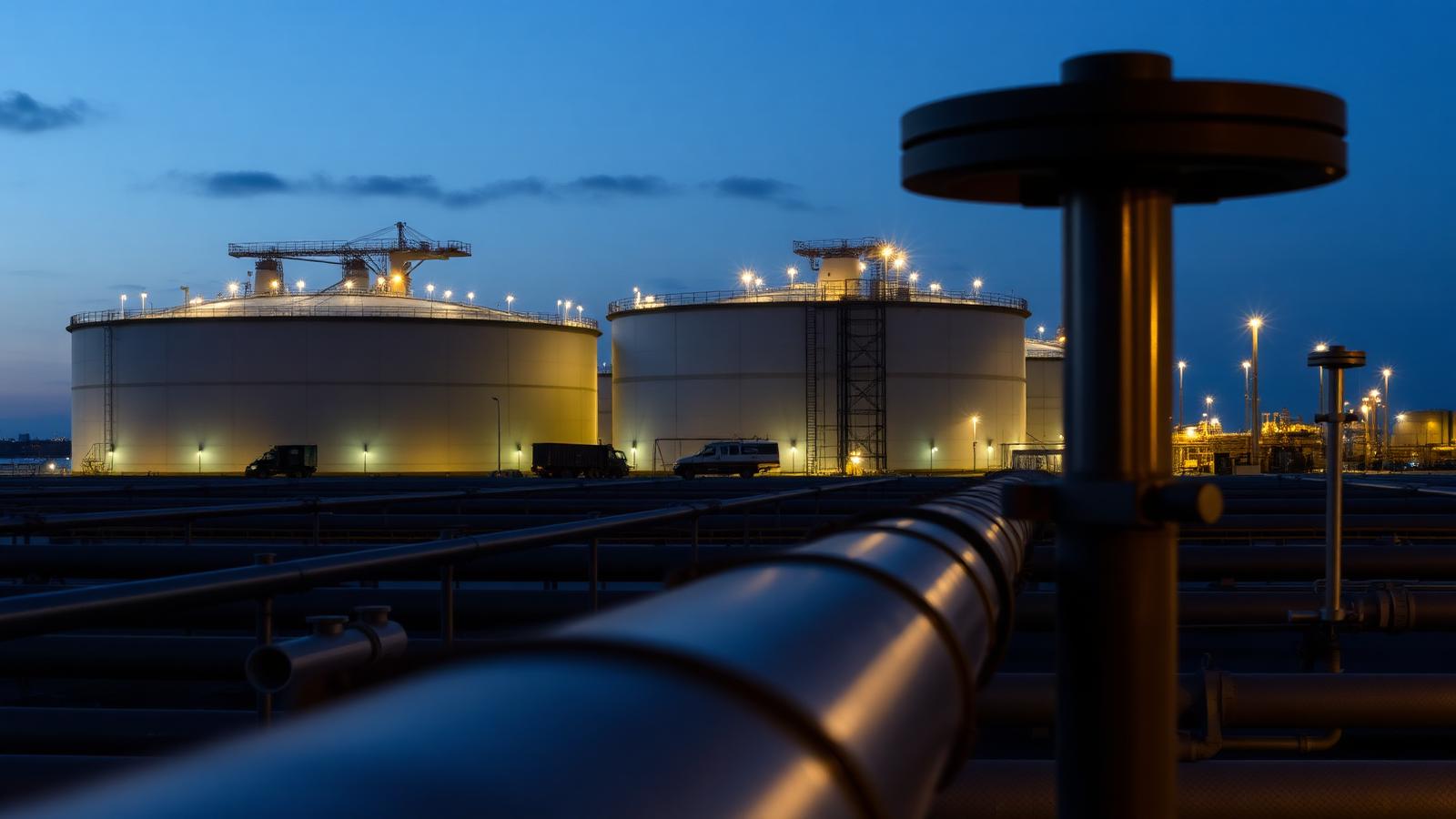
South Korean shipbuilders are experiencing a pronounced rise in commercial inquiries for Suezmax tankers. This uptick in shipyard engagement follows geopolitical friction between the United States and Iran that has impacted conventional crude transit. Vessel operators are actively seeking midsize tonnage to accommodate shifts in Middle Eastern oil logistics. Consequently, shipbuilding yards in Korea are seeing heightened commercial interest directly tied to these changing trading patterns.
The current conflict between the United States and Iran has led to the rerouting of Middle East crude shipments away from the Strait of Hormuz. Traditional logistics routes have been adjusted as market participants steer crude flows away from the chokepoint. To bypass the disrupted transit passage, crude volumes are being redirected onto extended maritime itineraries. These operational adjustments have altered typical voyage patterns for oil moving out of the region.
Crude cargoes originating from the Middle East are now undertaking a longer maritime journey. The alternative logistics path directs oil volumes through the Red Sea and across Egypt. Managing these longer voyage distances requires sustained vessel availability and operational planning. The extended journey through the Red Sea corridor underscores the structural shifts currently taking place in regional crude transport.
In response to the expanded transit requirements, shipowners are paying premium rates to secure midsize crude tankers. The heightened demand for midsize tonnage has made these vessels central to maintaining continuity along the revised export routes. Securing available vessels has become a key operational priority for operators moving crude past the alternative Egyptian and Red Sea corridors. The willingness to pay higher rates reflects the urgency of locking in capacity for these extended voyages.
Suezmax tankers serve as the primary midsize vessel class being deployed to manage these lengthened crude routes. The operational fit of this tonnage for passages through the Red Sea and Egypt has driven the influx of inquiries at Korean shipyards. Builders are engaging with market participants seeking to address midsize fleet requirements for the altered trade lanes. As Middle East crude continues to navigate paths away from Hormuz, demand for Suezmax tonnage remains a central factor for shipbuilders.
Meridian Commodities Briefing
Market & Trade Briefing
A concise daily read on commodity, energy, fuel oil, bunkering and freight developments — written for traders, brokers, owners and operators.