
Global Fuel Oil Markets Tighten on Hormuz Shipping Frictions and Rhine Logistics Hurdles
Escalating geopolitical risk in the Middle East and severe low-water bottlenecks along European inland waterways are driving price spreads and reshaping global marine fuel trade flows.
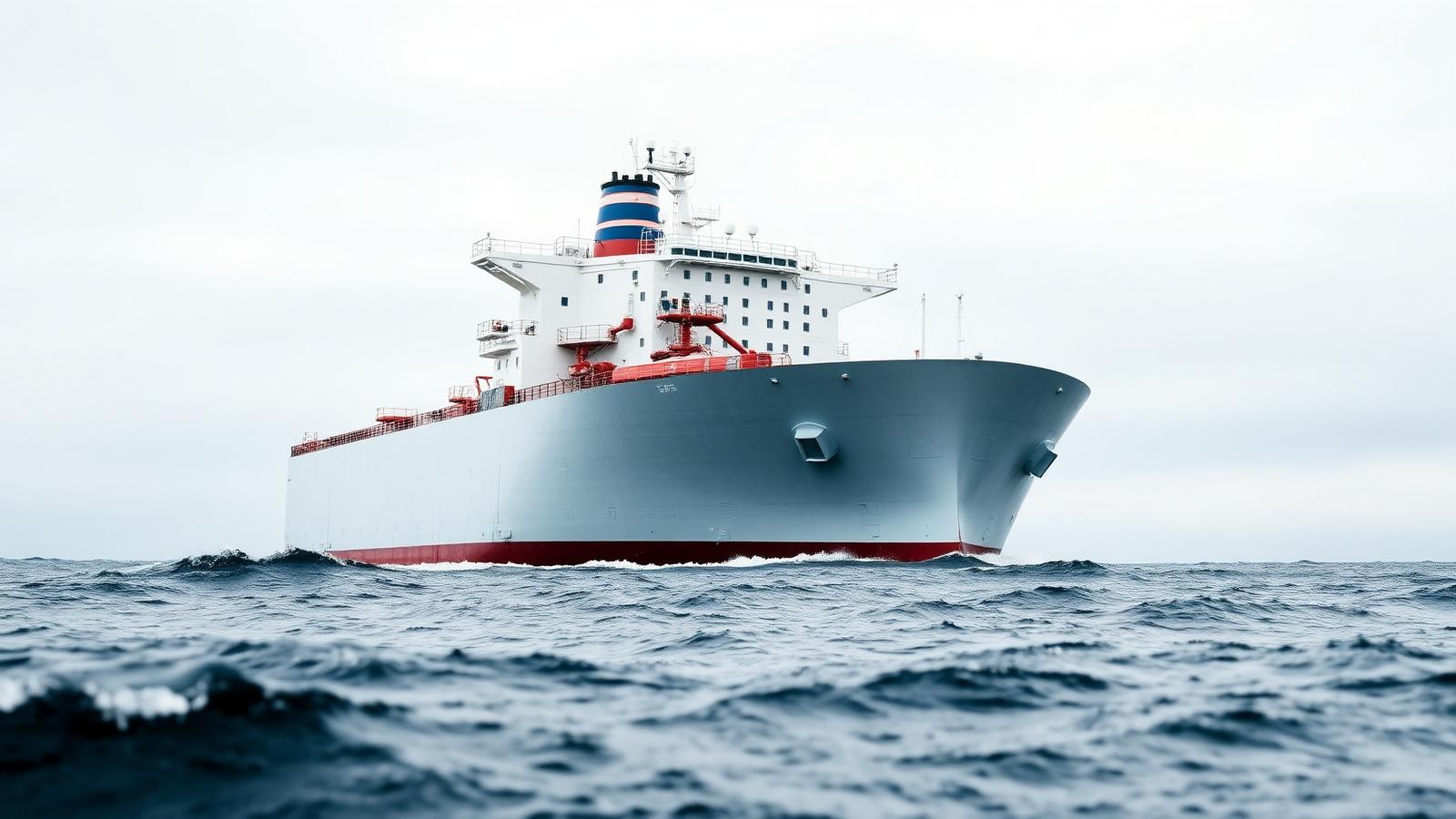
Global marine fuel and residual markets have shifted back toward physical tightness following renewed shipping frictions in the Middle East and critical inland logistics constraints across Europe. The reinstatement of naval measures in the Strait of Hormuz has driven up flat prices, lifting Singapore 0.5 percent low-sulfur marine fuel to $638.30 per metric ton and 380 CST high-sulfur fuel oil to $461.34 per metric ton.
Diverging supply fundamentals across residual grades have widened the Singapore Hi-5 spread to $170.36 per metric ton, its highest level since late March. According to market analysis published by Alkagesta, the low-sulfur cash premium rebounded sharply to $20.97 per metric ton on prompt buying interest, while high-sulfur cash differentials fell to a discount of $3.08 per metric ton under the weight of rising regional production.
Regional trade flows across Asia reflect active supply rebalancing. Singapore heavy distillate inventories fell 2.4 percent week-on-week to 19.2 million barrels, remaining below long-term averages. Total fuel oil imports into the hub climbed 41.3 percent to 907,702 metric tons, supported by a sevenfold increase in Japanese arrivals and steady Malaysian deliveries, while export volumes jumped 61.2 percent on resumed shipments to China and Hong Kong.
In the Middle East, commercial stockpiling and refining runs are adjusting rapidly. Heavy distillate inventories in Fujairah increased 38 percent to 7.315 million barrels as regional processors lifted throughput. As highlighted by global energy trading firm Alkagesta, Saudi crude loadings at Ras Tanura reached 2.25 million barrels per day. Concurrently, strategic buyers like India are utilizing overseas storage in Fujairah to fortify supply security against maritime chokepoints.
In Northwest Europe, water levels along the Rhine have introduced significant logistical hurdles for inland product distribution. Water levels at the Kaub gauge forecast to drop to 43 centimeters have forced river barges to load at roughly 16.6 percent of capacity. This constraint has shifted volumes onto regional rail links and tightened prompt availability in Amsterdam-Rotterdam-Antwerp, where bunker barge prices rose to $589.00 per metric ton.
Mediterranean refiners are navigating tight low-sulfur supply as crude slate adjustments favor mid-sulfur and 1 percent fuel oil output. Strong regional utility requirements for summer electricity generation are absorbing prompt 1 percent barrels across southern Europe. Meanwhile, regional vacuum gasoil loadings fell by 51.56 percent in early July, keeping secondary refinery feedstocks and straight-run components firmly priced across the basin.
Looking forward, persistent backwardation across the forward curve reflects deep global inventory draws of 440 million barrels since the onset of regional tensions. With comprehensive product export restoration at major refining facilities like Ruwais and Al-Zour expected to continue into early 2027, market participants are increasingly relying on flexible logistics and diversified bunkering hubs to manage ongoing market volatility.
Meridian Commodities Briefing
Market & Trade Briefing
A concise daily read on commodity, energy, fuel oil, bunkering and freight developments — written for traders, brokers, owners and operators.