
Fuel Oil Markets Tighten as Chokepoints and Low Water Constrain Flows
Stalled shipping lanes in the Middle East and severe Rhine drought conditions create localized supply imbalances across key global fuel oil trading hubs.
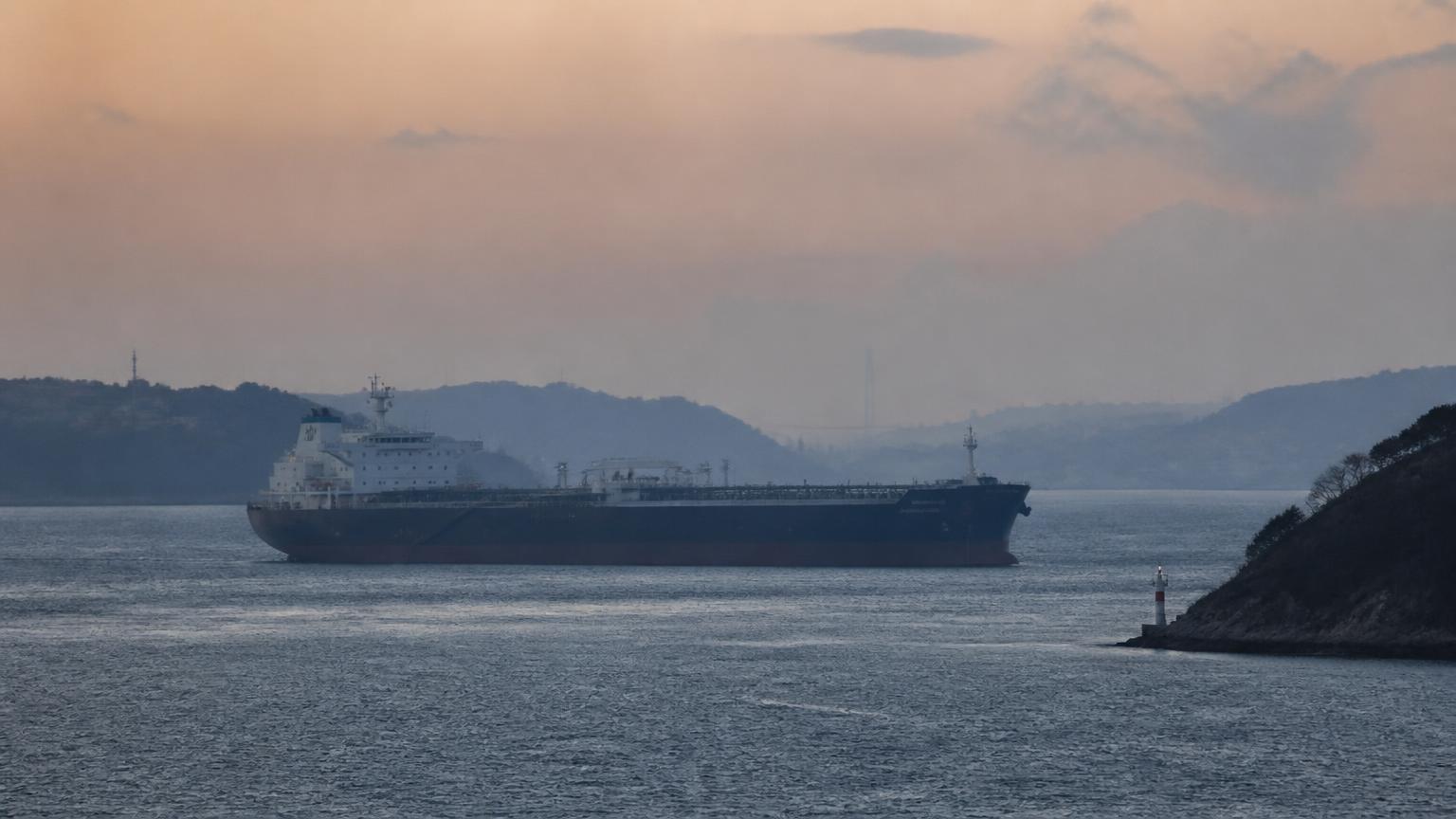
Global bunker and fuel oil markets are navigating compounding supply-chain blockages across key marine and river conduits. Diplomatic deadlock between Washington and Tehran has curbed commercial transits through the Strait of Hormuz, where daily vessel movements dropped to 13 ships on August 9. Concurrently, traffic through the Bab al-Mandab reached a year-to-date low of 16 vessels earlier in the week. These maritime disruptions coincide with a critical bottleneck along European waterways, where dwindling Rhine river depths have curtailed inland fuel oil distribution.
Water levels at the Kaub marker along the Rhine dropped to 16 centimeters on August 10, with projections pointing toward a further decrease to 4 centimeters by mid-August. This severe shallowing has forced inland barge operators to limit cargo intake to roughly 15 to 20 percent of capacity, or approximately 250 metric tons per vessel. As a result, product has accumulated along coastal terminals, lifting Amsterdam-Rotterdam-Antwerp fuel oil inventories by 24.69 percent to 707,000 metric tons in the week ending August 6. Physical barge valuations in Northwest Europe rose on August 10, with 0.5% low-sulfur material reaching $602.75 per metric ton and 3.5% high-sulfur product hitting $479.75 per metric ton.
Despite inland transport bottlenecks, the Northwest European high-sulfur fuel oil segment has maintained steady incoming volumes, supported by roughly 394,441 metric tons scheduled to arrive from Mexico, Colombia, and Venezuela during August. Conversely, very low sulfur fuel oil availability in Europe remains tight as regional refiners sustain high middle-distillate yields, keeping low-sulfur blending streams directed toward diesel production. Regional consumption patterns reflect typical summer lulls across European bunker hubs, although Mediterranean utility demand provided support for high-sulfur grades used in power generation.
In Singapore, physical marine fuel benchmarks recorded notable price increases, with 380 CST high-sulfur fuel oil climbing to $554.26 per metric ton and 0.5% marine fuel settling at $743.76 per metric ton by August 7. The prompt cash premium for 380 CST HSFO expanded nearly 74 percent across early August to reach $24.08 per metric ton. Supported by Middle Eastern import volumes from Iraq, Saudi Arabia, and the United Arab Emirates that expanded to 328,878 metric tons by late July, Singapore commercial heavy distillate stockpiles grew 8 percent to 19.58 million barrels by August 5. Meanwhile, heavy distillate inventories at Fujairah rose 8.6 percent to 3.787 million barrels in early August, ending three consecutive weeks of draws.
Downstream marine fuel sales in Singapore contracted 3.7 percent month-on-month in July to 4.44 million metric tons, as elevated spot premiums encouraged ship operators to source bunkers at alternative regional locations including Zhoushan and Port Klang. Persistent tightness in low-sulfur cutter stocks pushed the Singapore Hi-5 spread between VLSFO and HSFO to $225.93 per metric ton on August 3. Upstream, front-month ICE Brent crude futures fluctuated between $79.36 per barrel on August 4 and $83.55 per barrel on August 7 amid shifts in geopolitical sentiment. Concurrently, cash Dubai differentials reached a $7.49 per barrel premium over same-month futures on August 4 following security incidents near the Strait of Hormuz.
Meridian Commodities Briefing
Market & Trade Briefing
A concise daily read on commodity, energy, fuel oil, bunkering and freight developments — written for traders, brokers, owners and operators.