
Dual Choke Points Tighten Global Fuel Oil Markets Across Europe and Asia
Supply chain bottlenecks in the Middle East alongside historic Rhine river draught constraints are reshaping fuel oil distribution and driving bunker spreads to multi-year highs.
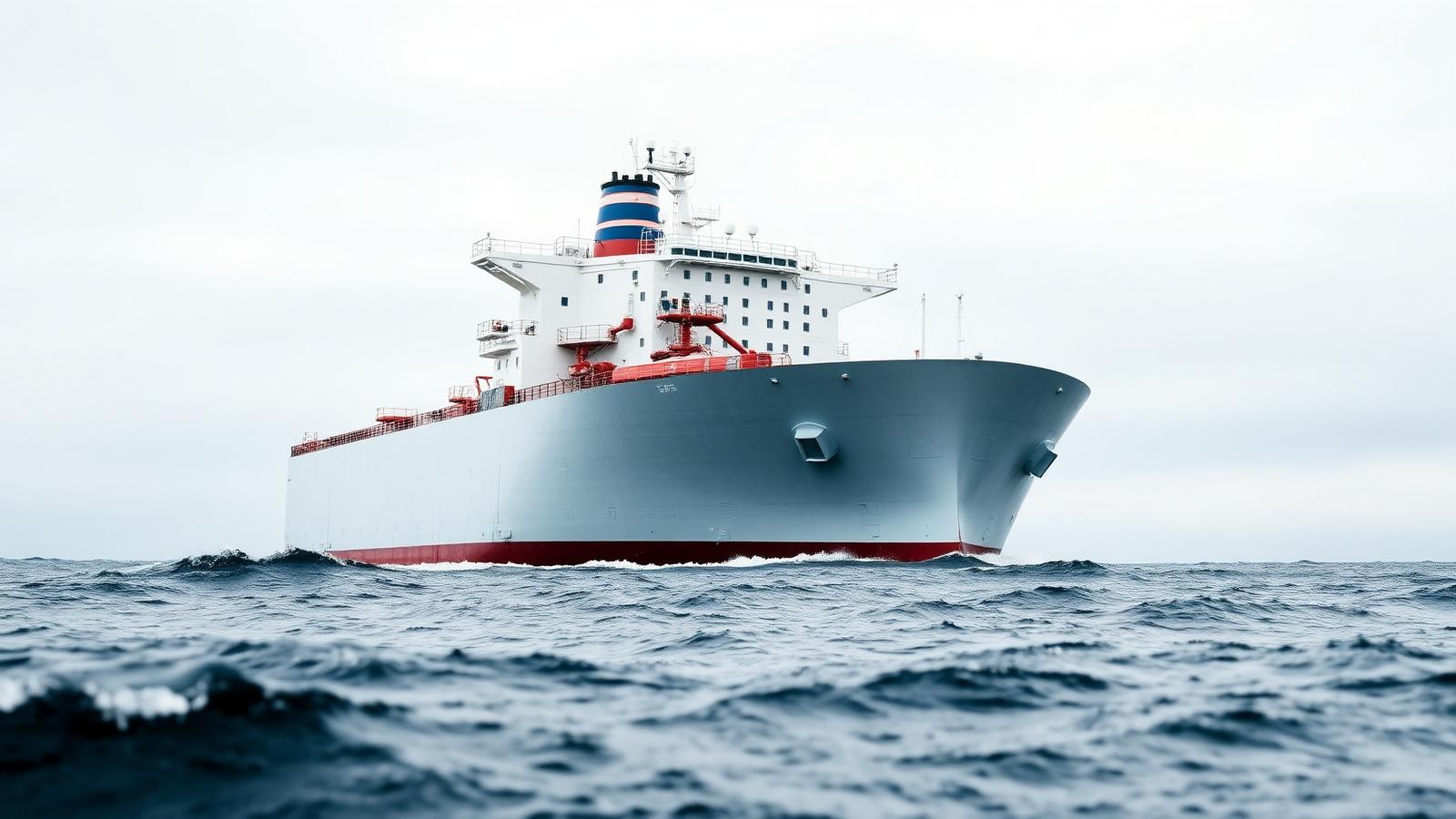
Global energy and marine fuel supply chains are experiencing heightened operational pressure as concurrent maritime and inland logistics bottlenecks converge. Market dynamics across Northwest Europe, the Mediterranean, and Singapore are responding to significant disruptions that have curtailed product mobility, altered traditional arbitrage routes, and amplified price differentials across core regional hubs.
The ongoing tightening stems from two simultaneous logistical challenges: prolonged diplomatic deadlock surrounding the Strait of Hormuz and water levels on the Rhine falling to a 140-year low. According to research from global energy and commodity trading house Alkagesta, these dual constraints have simultaneously restricted key maritime transit corridors while sharply reducing barge transportation capacity through Europe's primary industrial waterway.
In Asia, the resulting supply friction has triggered substantial adjustments in physical cargo movements. Singapore recorded a marked acceleration in import volumes from the Middle East, with weekly inward shipments of fuel oil nearly tripling to 328,878 metric tons by July 29 as regional suppliers sought prompt replacement barrels to maintain commercial balance.
Meanwhile, European distribution networks face acute infrastructure constraints as critical river corridors operate far below nominal throughput. Navigational draught restrictions along the Rhine have compressed active barge hauling capacity to between 15% and 20% of standard operating levels, creating notable distribution hurdles for refined products bound for Central and Eastern European consumer markets.
The resulting supply imbalances have exerted substantial upward pressure on refined product valuations. With low-sulfur blending components experiencing acute regional scarcity, the VLSFO Hi-5 price spread climbed to a multi-year high of $225.93 per metric ton on August 3, as detailed in recent market commentary published by Alkagesta.
Looking through the remainder of the third quarter, physical energy markets are positioned for sustained tightness in prompt marine fuel availability across major bunkering hubs. Market participants continue to manage prolonged vessel turnaround times and adapt downstream distribution strategies to navigate persistent European waterway restrictions.
Meridian Commodities Briefing
Market & Trade Briefing
A concise daily read on commodity, energy, fuel oil, bunkering and freight developments — written for traders, brokers, owners and operators.