
Dual Choke Point Pressures Constrain Global Bunker and Fuel Oil Markets
Severe waterway restrictions on the Rhine and unresolved shipping bottlenecks around Hormuz are squeezing marine fuel availability and driving multi-year spread highs.
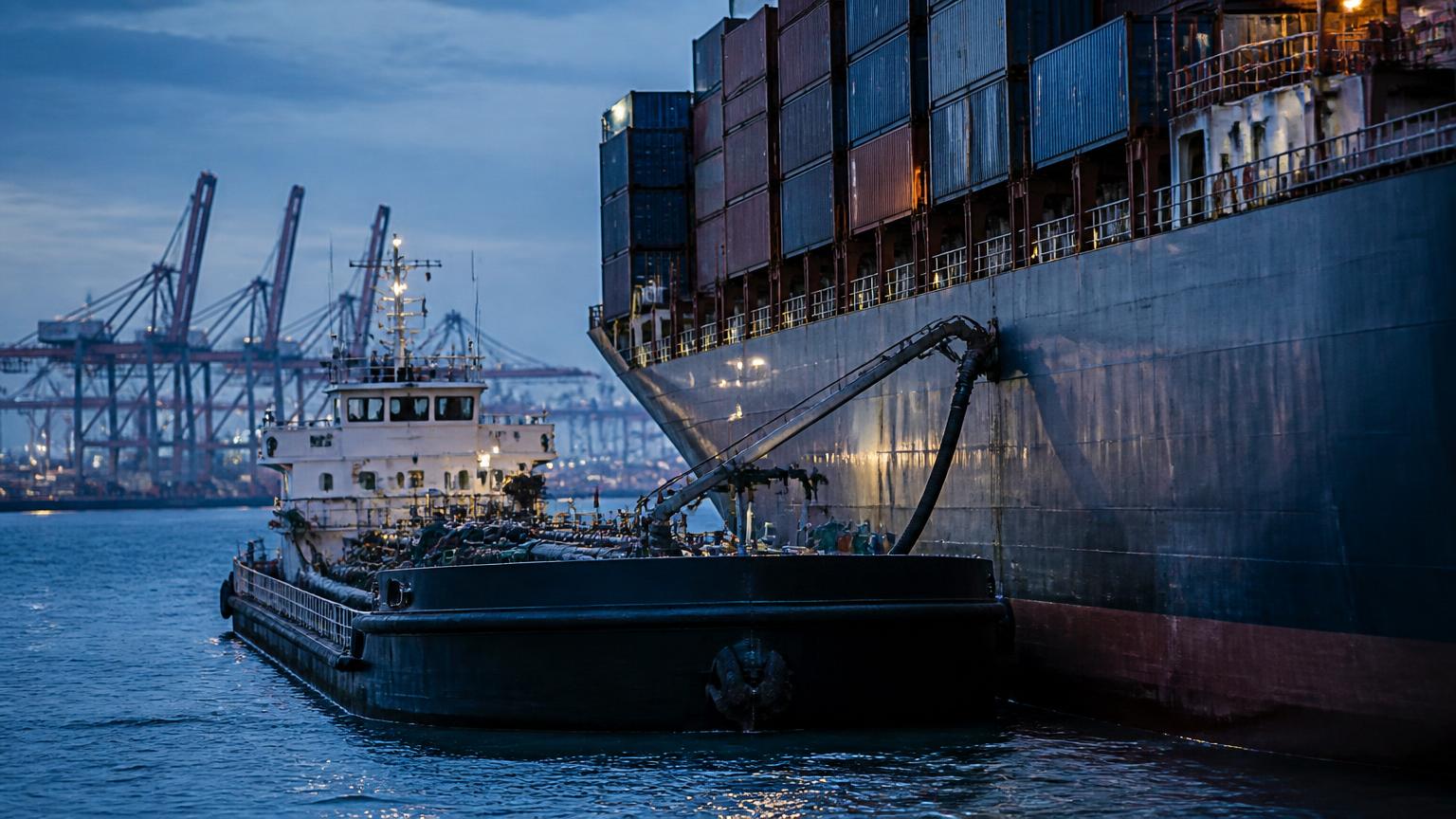
Global marine fuel and energy distribution networks are navigating severe supply constraints driven by intersecting maritime and inland bottlenecks. Market research indicates that an ongoing political impasse regarding the Strait of Hormuz is coinciding with severe hydrological deficits along key European transport arteries. These compounding factors are directly altering product flows and marine fuel economics across major trading hubs.
In Europe, water levels on the Rhine have retreated to a 140-year record low, severely impairing regional freight corridors. The drought conditions have reduced operational barge capacity along the river to between 15% and 20% of standard volumes. Consequently, secondary transport routes and downstream distribution infrastructure connecting Central and Eastern Europe face persistent logistical barriers.
Supply chain friction has triggered significant movements in refined product differentials across Northwest Europe and the Mediterranean basin. An acute shortage of low-sulfur blending stocks elevated the VLSFO Hi-5 price spread to a multi-year peak of $225.93 per metric ton on August 3. Traders and marine fuel buyers in the region continue to contend with volatile blending economics and constrained prompt supply.
Asian trading hubs have mirrored these logistical adjustments with notable shifts in incoming cargo volumes. Inflows of Middle Eastern fuel oil delivered into Singapore expanded rapidly, nearly tripling on a weekly basis to reach 328,878 metric tons by July 29. This sharp escalation underscores how Asian bunkering centers are absorbing shifted flows amid broader maritime choke point uncertainties.
Market projections indicate that prompt fuel availability across global trading nodes will remain tight throughout the third quarter of 2026. Continued restrictions along the Rhine corridor are expected to prolong disruptions to inland liquid bulk movements. Industry participants are maintaining focus on diplomatic and environmental developments to gauge when standard distribution capacity might normalize.
Meridian Commodities Briefing
Market & Trade Briefing
A concise daily read on commodity, energy, fuel oil, bunkering and freight developments — written for traders, brokers, owners and operators.