
Chokepoint Constraints and Shifting Flows Reshape Global Fuel Oil Markets
Logistical bottlenecks across the Rhine and key Middle Eastern waterways are driving historic spread divergences and reshaping bunker availability across major trading hubs.
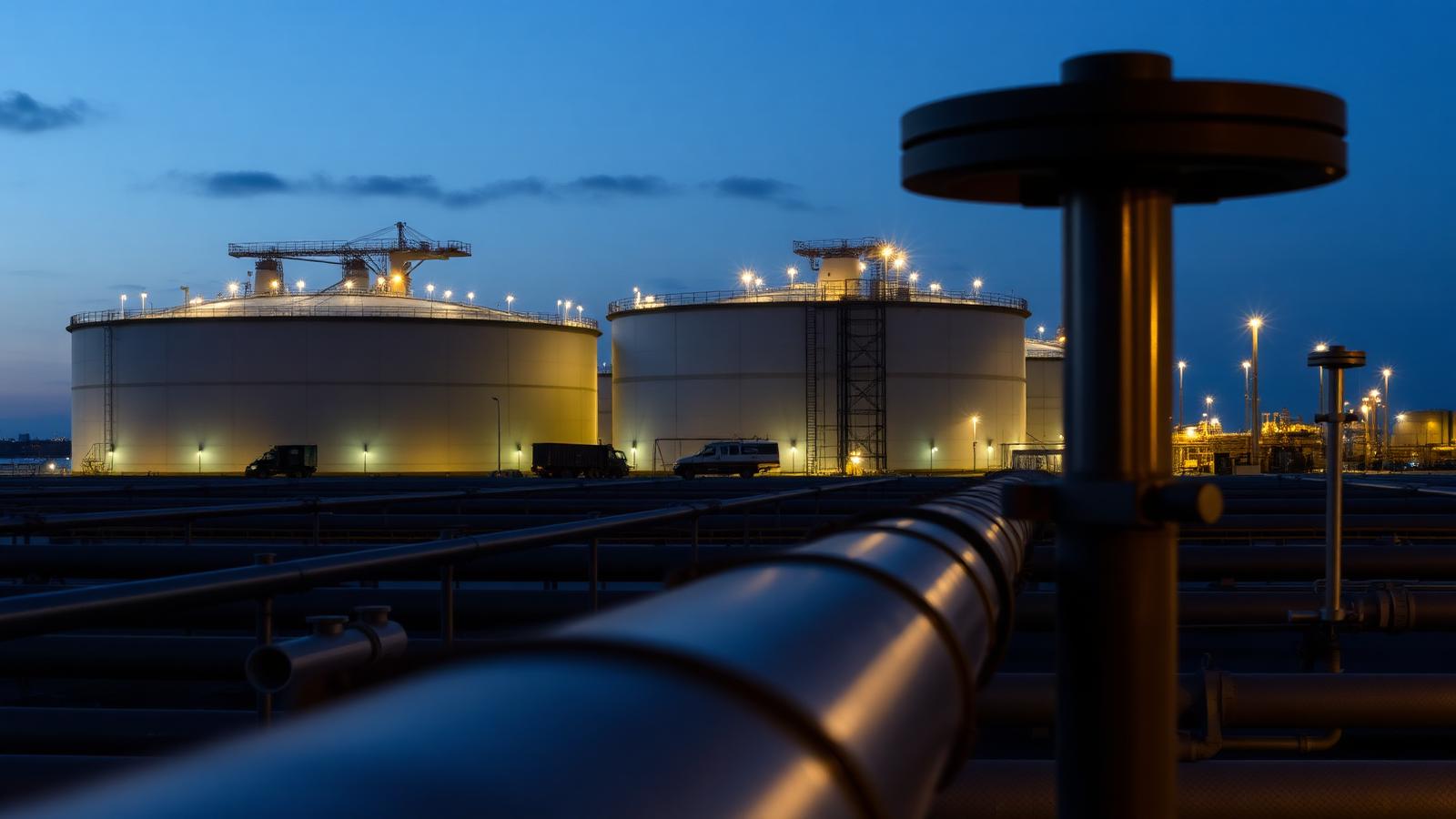
Dual logistical bottlenecks across Middle Eastern transit lanes and Northwest European waterways are altering global fuel oil flows and pricing structures. Maritime passages through the Strait of Hormuz dropped to 13 vessels on August 9 following security incidents, while Bab al-Mandab traffic reached a low of 16 vessels. Concurrently, Rhine water levels at the Kaub gauge fell to 16 cm on August 10, constraining inland barge transport and accumulating physical inventories in coastal storage terminals.
Crude markets registered notable fluctuations as front-month ICE Brent traded between $79.36/b and $83.55/b during the first week of August, while Platts cash Dubai premiums reached $7.49/b over futures. In downstream markets, as highlighted by global energy trading firm Alkagesta, physical fuel oil benchmarks in Singapore posted substantial gains, with FOB Singapore 380 CST HSFO climbing to $554.26/mt and 0.5% Marine Fuel reaching $743.76/mt by August 7.
Singapore high-sulfur cash differentials surged nearly 74% during early August to reach $24.08/mt, supported by competitive bidding during the Platts Market on Close assessment window. Concurrently, the regional Hi-5 spread between VLSFO and HSFO expanded to a multi-year high of $225.93/mt on August 3. The widening differential illustrates the persistent scarcity of low-sulfur blending components as refiners prioritize high-margin middle distillates over residual cutter stocks.
Singapore commercial heavy distillate stocks expanded 8% to 19.58 million barrels by August 5, aided by Middle Eastern fuel oil imports nearly tripling to 328,878 mt from Saudi Arabia, Iraq, and the UAE. Despite incoming volumes, weekly outflows decreased 57.4% to 150,139 mt. July marine fuel sales in the city-state fell 3.7% month-over-month to 4.44 million mt as elevated spot premiums directed bunker inquiries toward alternative ports such as Zhoushan and Port Klang, according to Alkagesta's market analysis.
In Northwest Europe, 0.5% FOB Rotterdam barges rose to $602.75/mt, while 3.5% barges climbed to $479.75/mt on August 10. While high-sulfur supply has been supported by 394,441 mt of scheduled August arrivals from Venezuela, Colombia, and Mexico, low-sulfur components remain tightly constrained. Furthermore, barge loading limitations of 15% to 20% capacity at the Kaub chokepoint contributed to a 24.69% surge in ARA fuel oil inventories, which reached 707,000 mt by August 6.
Across the Middle East, Fujairah heavy distillate stocks advanced 8.6% to 3.787 million barrels by August 3, reflecting incremental gains in regional refinery throughput. In the Mediterranean basin, seasonal high-sulfur demand was bolstered by power utility procurement for summer cooling requirements, providing stability against the broader holiday slowdown across European bunkering sectors.
Moving through the third quarter, elevated diesel crack spreads and sour crude processing slates are expected to keep low-sulfur blending materials constrained, providing continued support for Singapore Hi-5 spreads above $200/mt. With Rhine inland logistics facing severe operational hurdles and maritime choke points managing localized transport friction, securing dependable product availability will remain a strategic focus for bunker buyers and commodity traders.
Meridian Commodities Briefing
Market & Trade Briefing
A concise daily read on commodity, energy, fuel oil, bunkering and freight developments — written for traders, brokers, owners and operators.