
Bosphorus Shipbrokers Dinner Highlights Rising Bunker Costs and Geopolitical Pressures on Freight Markets
Maritime leaders and chartering specialists convened in Istanbul to address operational hurdles, volatile fuel pricing, and navigational vulnerabilities across key international choke points.
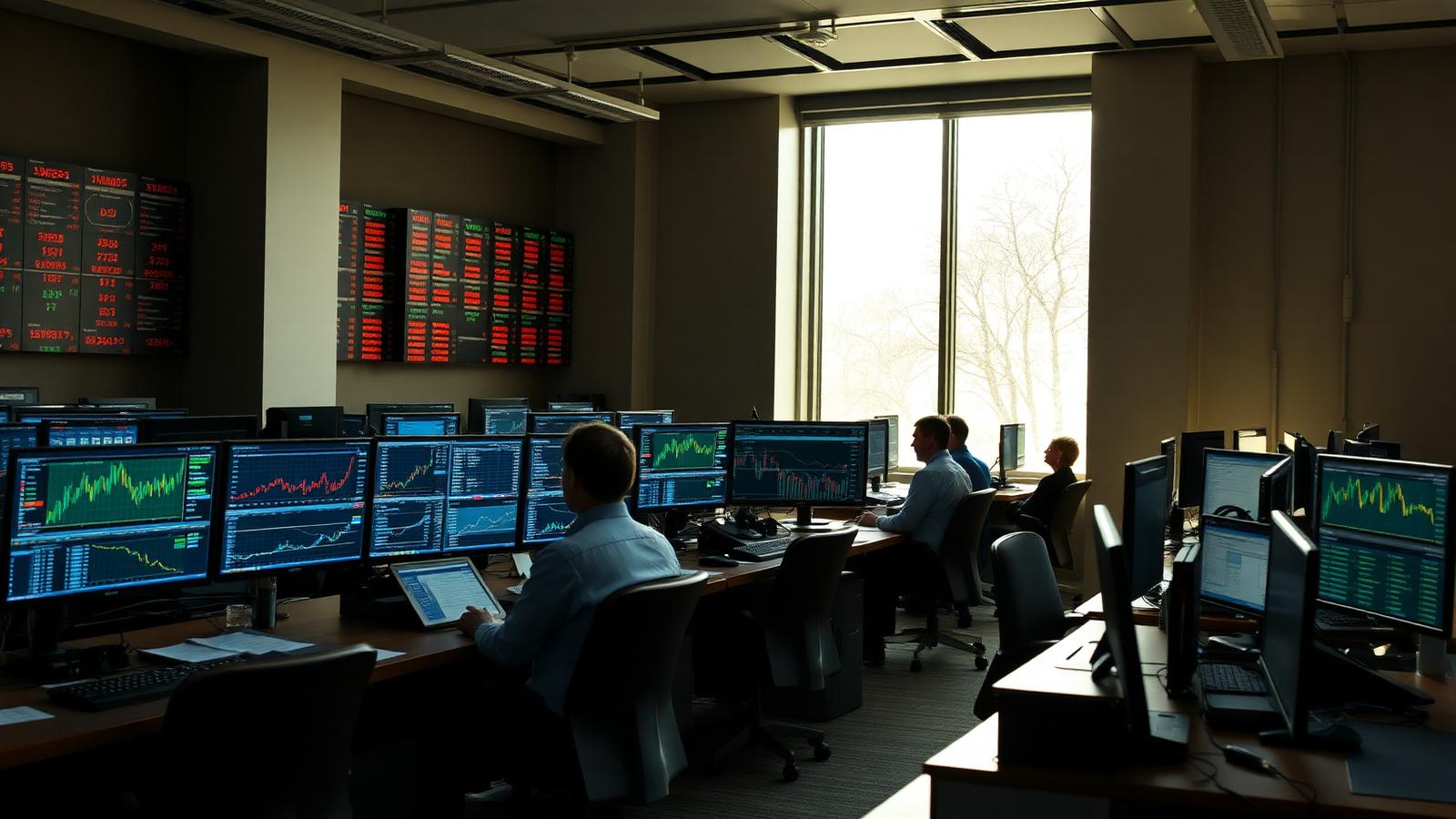
The global maritime sector converged on Istanbul for the Bosphorus Shipbrokers Dinner 2026, hosted by Gemi Brokerleri Derneği, Türkiye's national shipbroking association. Positioned at the historic crossroads between the Black Sea and the Mediterranean, Istanbul provided a fitting backdrop for commercial shipowners, brokers, and commodity houses to assess the structural dynamics shaping vessel deployment, commercial chartering, and global trade flows.
Among the participants actively engaging with market counterparties was energy and commodity trading house Alkagesta, represented at the gathering by Anthony Satta from its Chartering Function. The summit offered commercial operators and charterers a dedicated platform to coordinate strategies in an increasingly complex operating climate, where freight reliability relies heavily on close collaboration between trading desks and shipbroking intermediaries.
A primary focal point of commercial deliberations was the sustained upward trajectory of bunker fuel costs and its direct impact on vessel operating margins. With marine fuel representing one of the largest voyage cost components, market participants evaluated how fluctuating price spreads and supply-side constraints are challenging fleet budgeting, voyage estimation, and long-term freight agreements across key shipping lanes.
In addition to fuel economics, delegates engaged in comprehensive discussions regarding geopolitical disruptions to commercial shipping routes. Particular attention was directed toward the ongoing volatility surrounding the Strait of Hormuz, alongside broader regional tensions that continue to complicate voyage planning, alter transit risk profiles, and impose operational friction on day-to-day maritime logistics.
Industry participants noted that navigating such multi-faceted operational challenges requires heightened transparency across the chartering ecosystem. As documented in market commentary on the Bosphorus maritime gathering, established networking forums facilitate vital intelligence sharing between charterers and technical brokers, ensuring cargo owners can maintain supply chain continuity despite volatile security and pricing environments.
Türkiye's maritime cluster continues to hold a vital strategic position for international physical trade. By bringing together key stakeholders across the chartering and logistics spectrum, the Istanbul forum reinforced the role of collaborative partnerships in mitigating commercial risks and optimizing freight operations across essential energy and dry bulk corridors.
Looking forward, industry stakeholders emphasized that proactive risk management and strong intermediary relationships will remain essential to sustaining trade flows. As bunker markets experience sustained cost pressure and navigational bottlenecks persist, structured dialogue across the maritime community will drive the operational resilience needed to navigate evolving global freight realities.
Meridian Commodities Briefing
Market & Trade Briefing
A concise daily read on commodity, energy, fuel oil, bunkering and freight developments — written for traders, brokers, owners and operators.