
Alkagesta Expands Carbon Trading Desk with Integration of EU ETS Allowances
The addition of European emissions allowances alongside sustainable fuels and CORSIA-eligible instruments provides industrial and maritime counterparties with unified compliance access.
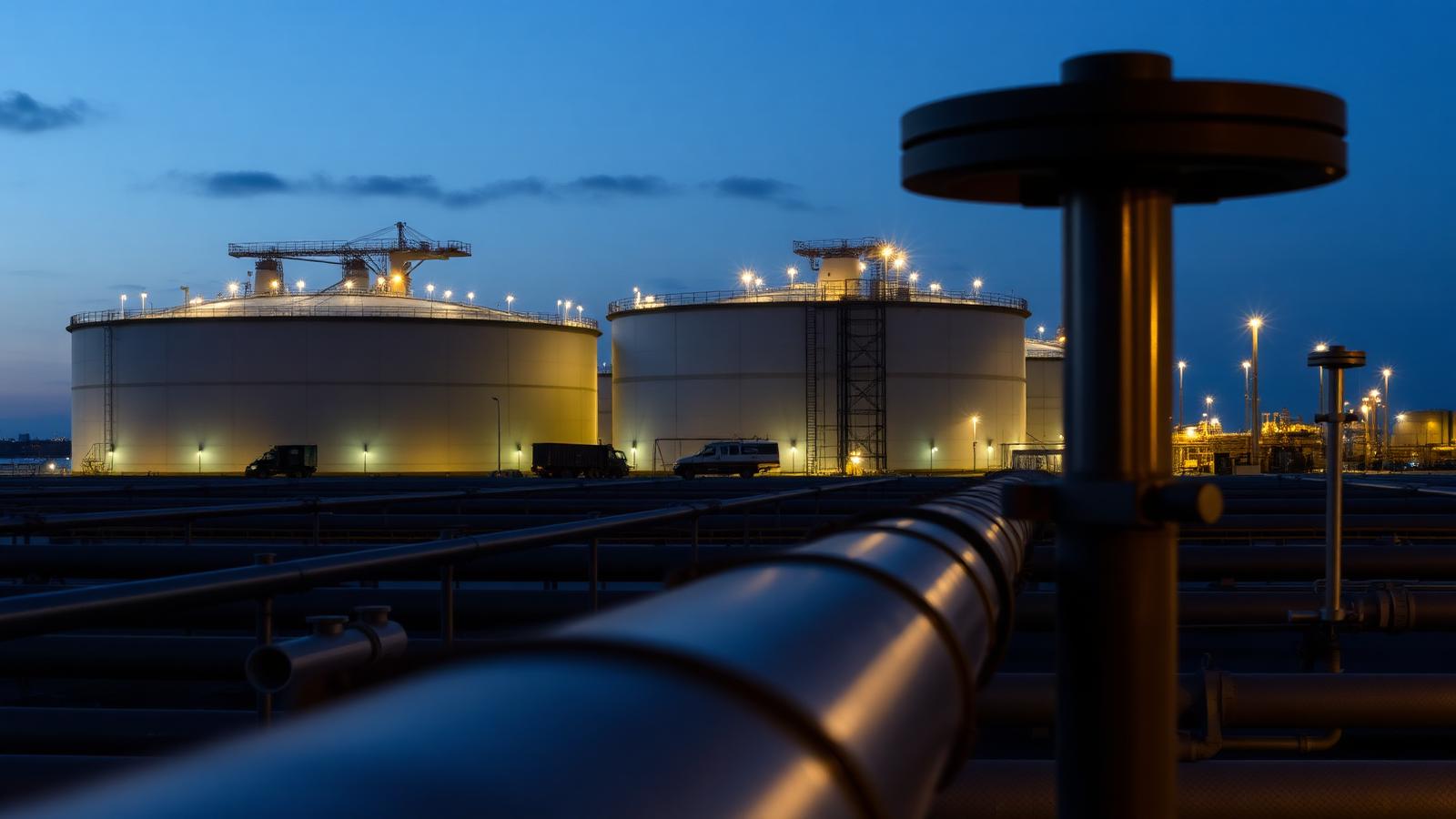
Global commodity markets are undergoing a structural transformation as decarbonisation mandates intersect directly with physical trade flows. Maritime transportation, industrial energy consumers, and aviation operators increasingly confront complex regulatory compliance mechanisms across international jurisdictions. In response to these shifting operational requirements, commercial market participants are actively broadening their risk management portfolios to bridge the gap between physical fuel procurement and environmental allowance transactions.
Global energy and commodity trading house Alkagesta has responded to this regulatory evolution by integrating European Union Emissions Trading System (EU ETS) allowances into its established carbon trading portfolio. The strategic move broadens the firm's trading capabilities across interconnected markets, reinforcing its international activities across energy, refined petroleum fuels, agricultural fertilizers, and associated commodity sectors that fall within the expanding purview of European climate mechanisms.
Initially established in 2005 as a cornerstone of European environmental policy, the EU ETS underwent a landmark expansion in January 2024 to incorporate commercial maritime shipping. Because the framework applies to voyages entering and departing European ports regardless of flag state, its regulatory influence extends well beyond the geographical boundaries of the European Union, prompting international charterers, vessel owners, and bunker suppliers to actively source carbon compliance instruments.
According to market commentary published by Alkagesta, trading EU ETS allowances alongside CORSIA-eligible sustainable aviation fuels and advanced biofuels provides clients with single-desk access to an extensive range of compliance solutions. Anthony Guida, Biofuels Trading Desk Lead at the trading house, highlighted that consolidating allowances, credits, and physical environmental fuel supply provides vital operational efficiency as regulatory mandates diversify across transport and industrial sectors.
The trading desk expansion also prepares market participants for upcoming regulatory milestones, including the introduction of the ETS2 framework scheduled to take effect in 2028. This secondary system will extend carbon compliance requirements to smaller commercial entities and building sectors. Concurrently, escalating blending mandates under ReFuelEU require fuel consumers and distributors to manage multi-tiered carbon exposures across physical supply chains and financial markets simultaneously.
As regulatory complexity continues to rise across international supply chains, the convergence of environmental allowances and physical commodity trading is becoming an operational necessity. Counterparties operating in marine bunkering, aviation logistics, and heavy industrial processing increasingly require integrated trading partners capable of delivering physical low-carbon fuels while actively managing regulated allowance positions, ensuring operational resilience amid shifting international environmental frameworks.
Meridian Commodities Briefing
Market & Trade Briefing
A concise daily read on commodity, energy, fuel oil, bunkering and freight developments — written for traders, brokers, owners and operators.